Indic Scripts Research Centre
Research in Indic Scripts is an important area of work with many emerging applications, but very little dedicated work is being done at an Institute level with clearly defined long term objectives.
The Need
Efforts are required in archiving and documentation, developing new standards and getting them accepted, designing and developing new fonts for the many Indic scripts for new digital applications, and also research in Indian language Typography.
The ‘Indic Scripts Research Centre (ISRC)’ at SAKS, will conduct research in the following areas:
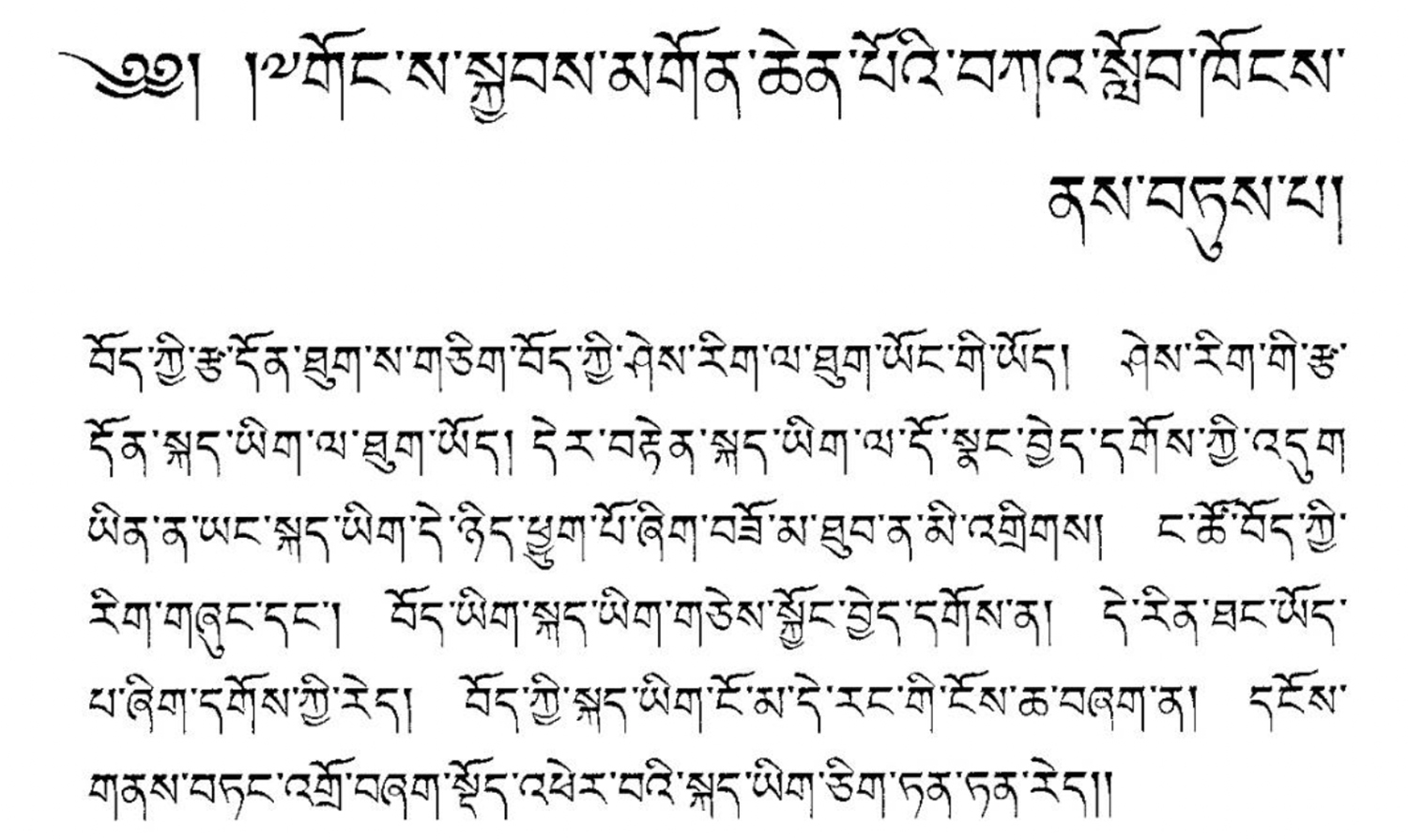
Documentation of various Indic scripts: history, development of letterforms, major landmarks, important personalities related to Indic scripts and their work.
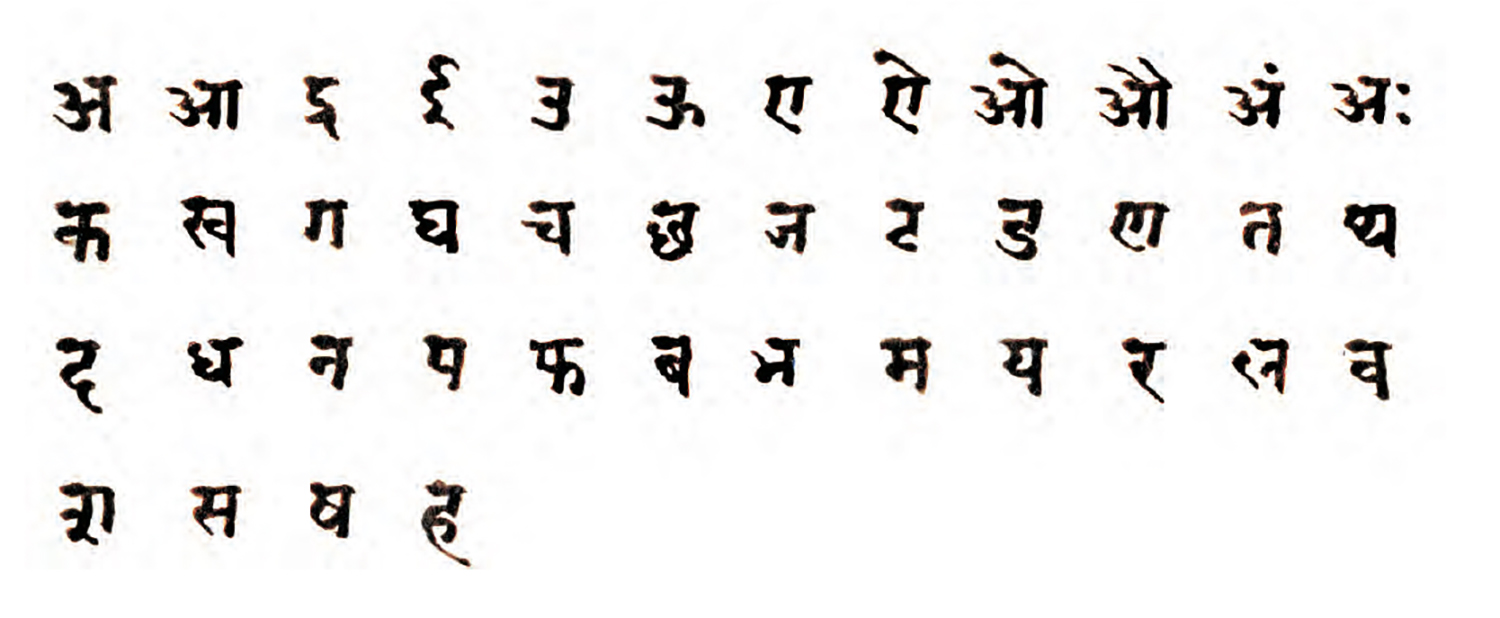
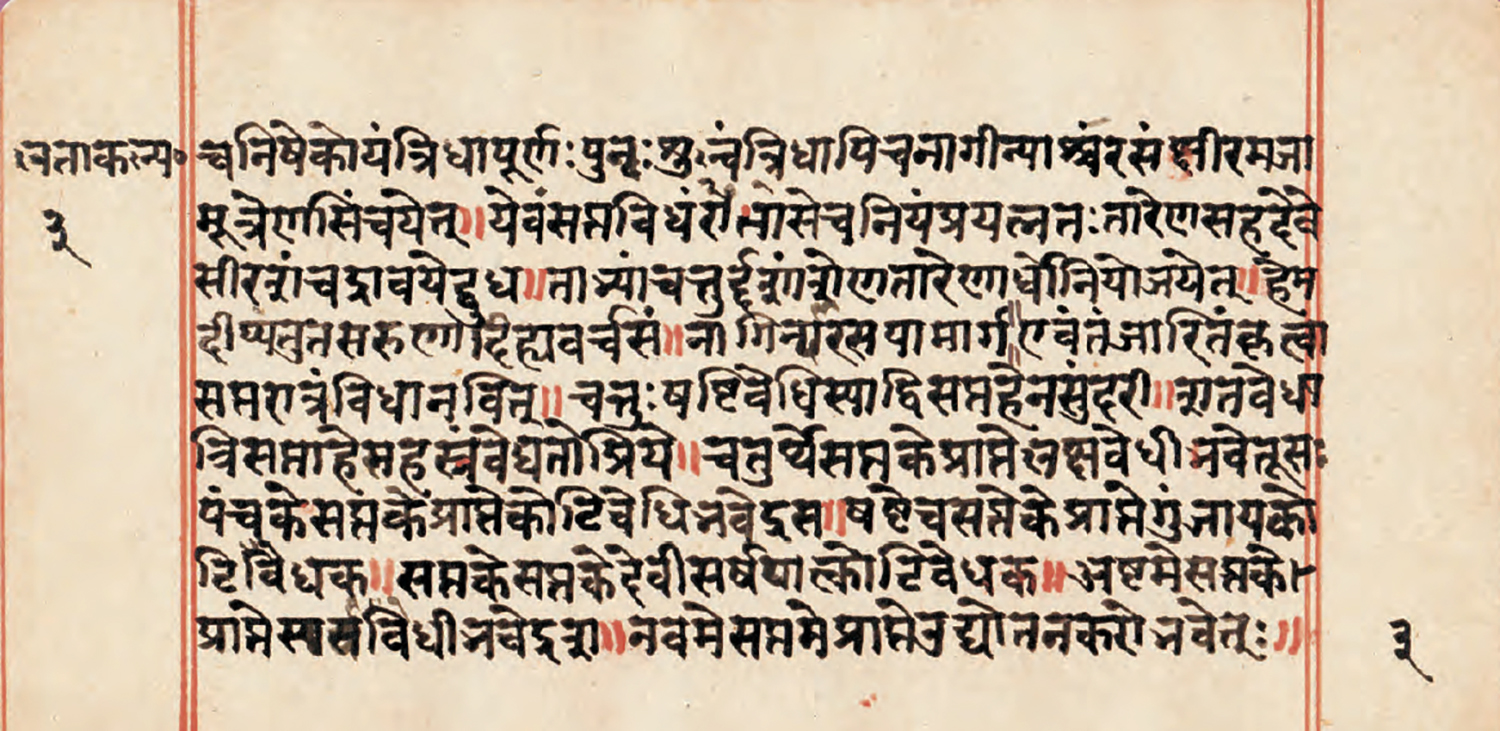
Compiling letterforms specimens from different eras and periods: from Stone-inscriptions to Palm-leaf and Paper Manuscripts, fonts from Letterpress, Phototypesetting, and Digital era.
Font development for new and emerging applications.
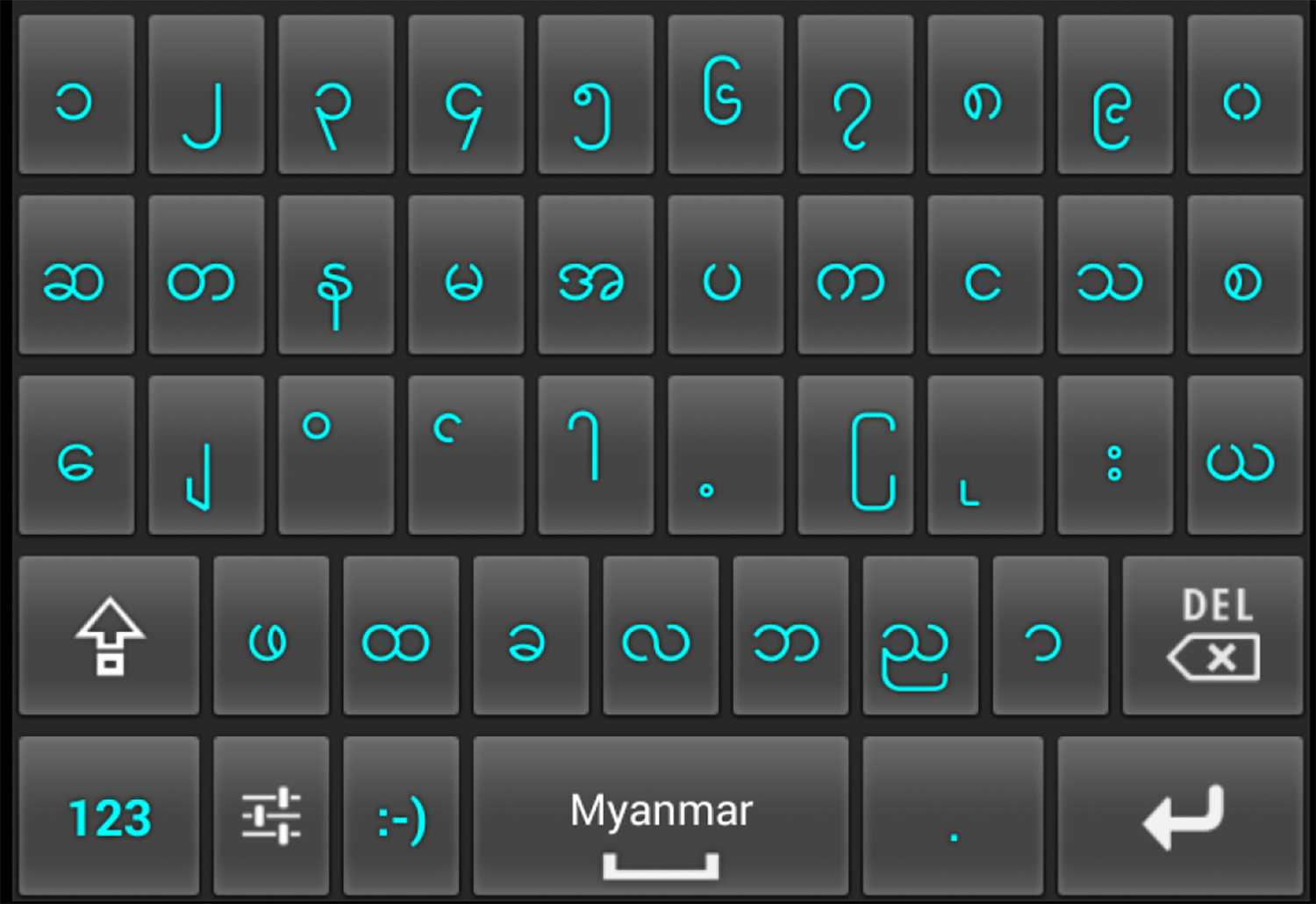
Standardization issues: Keyboard layouts etc for Indian scripts. Working towards getting standards in place.
Typography and Typographical Research and Experimentation in Indic scripts.
Readability and Legibility Research for Indic scripts.
Research into Bilingual, Tri-lingual and Multi-lingual Typography.
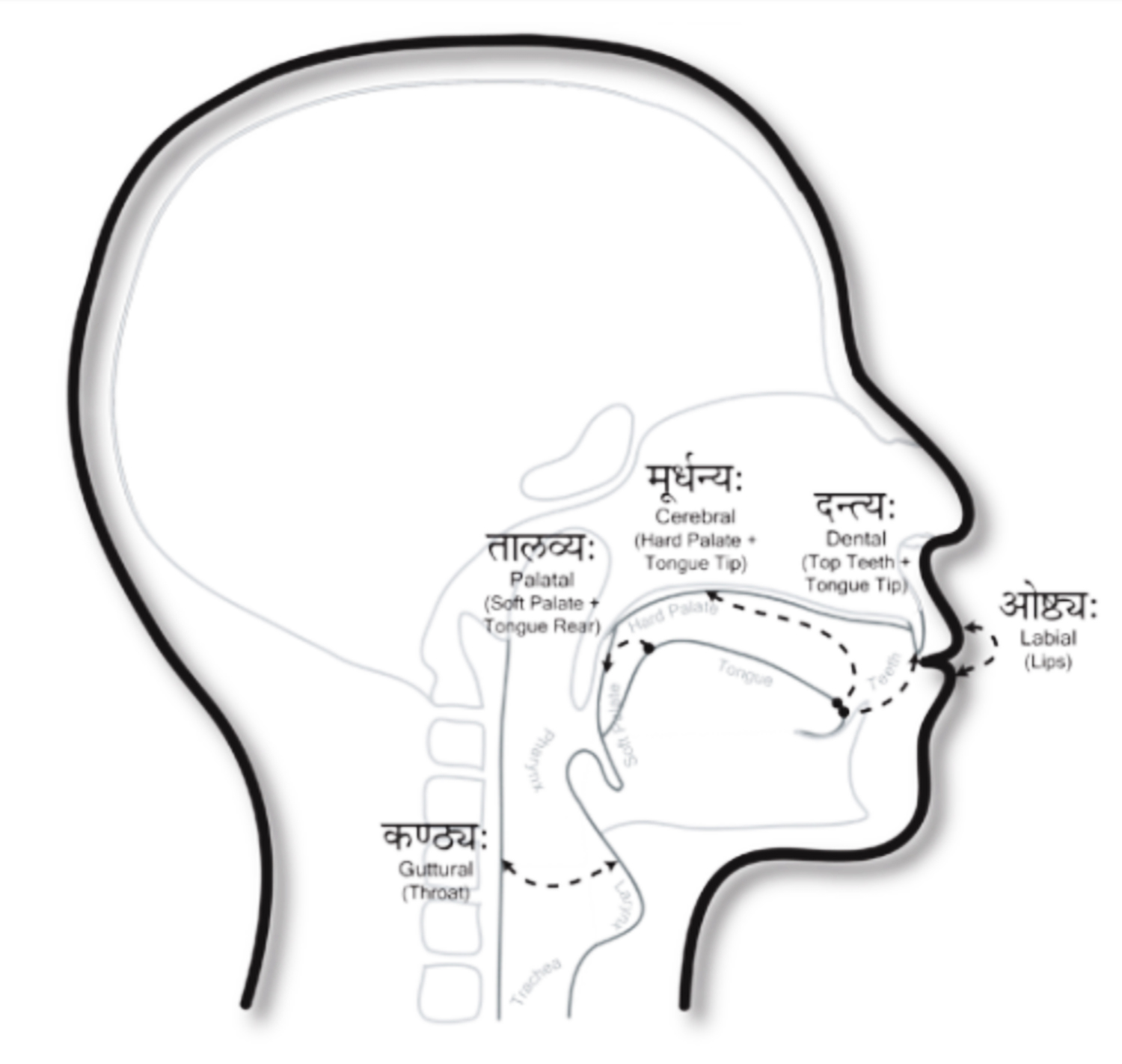
Formal and Visual aspects of Indic Scripts.
Organizing Workshops, and Seminars related to Indic Scripts.
An active Publication Programme to disseminate the research work being done.
Integrating work in Indic Scripts in the educational curriculum in Indian Design schools by creating courseware.
Research Direction
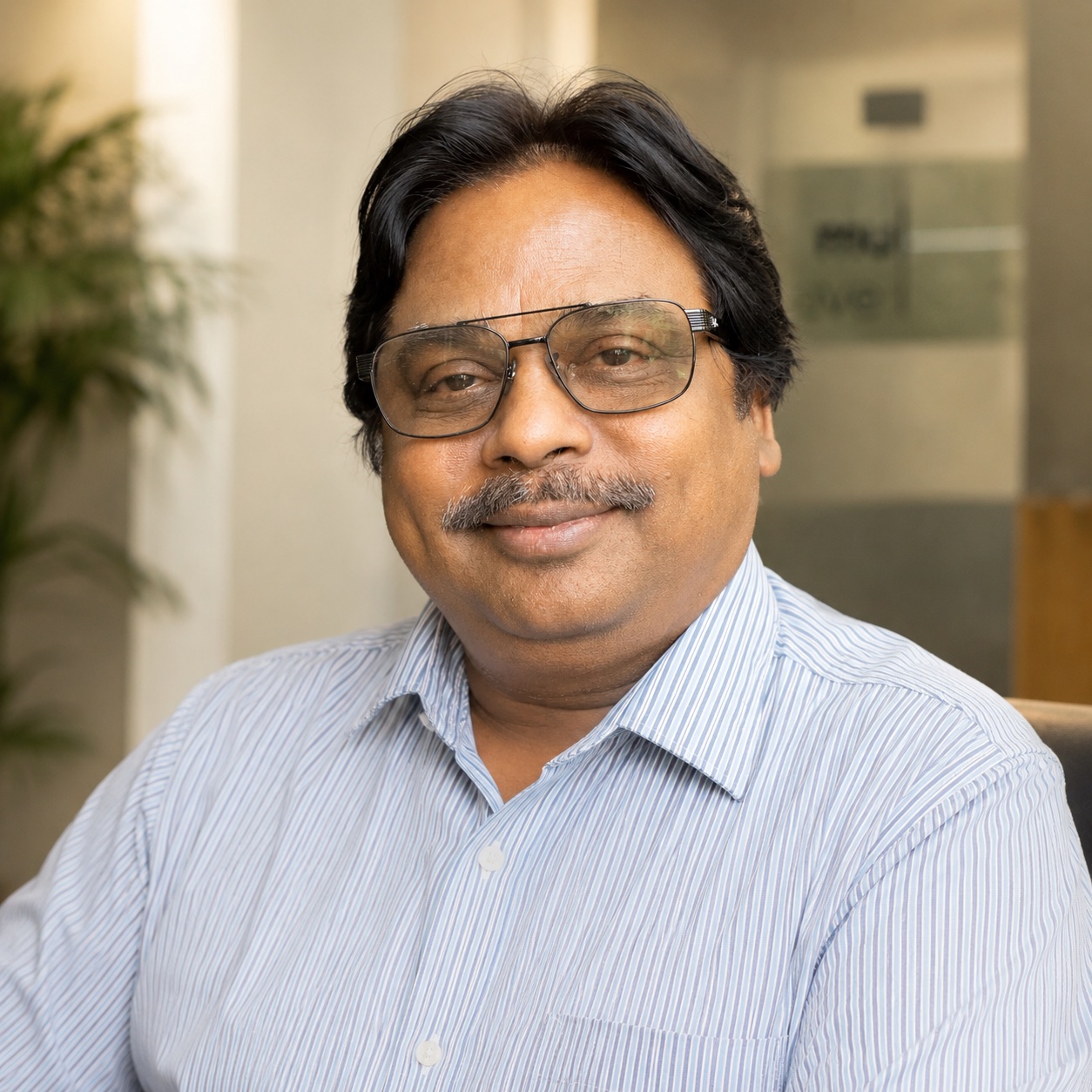
The Indic Script Research Centre at SAKS is headed by India's most respected Font Designer SK Mohanty. He is the Co-founder and Chief Font Design Architect at Reverie Language Technologies.
With over 35 years of experience in Digital Font Design and development of fonts for Indic scripts from South-East Asian Languages, Multilingual Technology Products, Aesthetics, Visual Communication and Calligraphy, he has played a crucial role in the standardization and font design of Indic Scripts for print and digital medium since the early 90s when India had no stable solution for these.
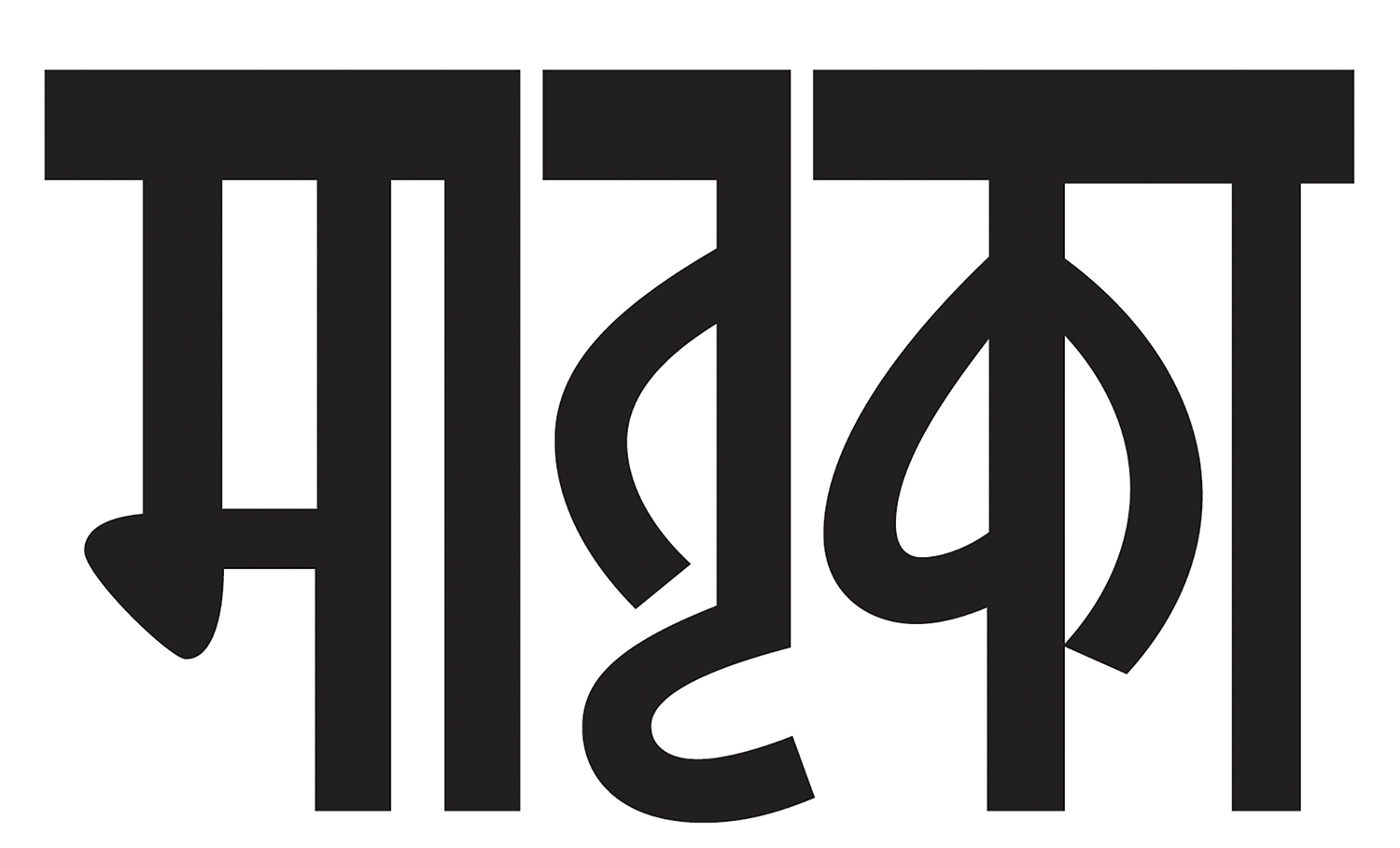
An active publication programme to disseminate research work — including a bi-annual journal Matrika, and documentation of the work of Indian Typographers and Font Designers will be a major activity at SAKS.
Kirti Trivedi
Editor
Muktha Hiremath
Designer
A bi-annual journal devoted to Indic Scripts — to bridge the gap which exists in this major area of Indic Script Studies, available in both print and online versions.
Each issue will have a major feature on an important Font Designer of Indic Scripts; Case Study of a specific Indic Font Design; a research-based contribution; an article on the philosophy of Indian Letterforms, and a Visual Feature.