
Why here
It is a place where artists, musicians, dancers, and researchers come to work outside the pressure of a metropolitan art market — and where that independence is normal rather than unusual.
Puducherry has numerous Yoga, Meditation, Dance and Music courses, Craft Workshops and Studios, and a large community of artists to forge friendships for life. The French Quarter, the Ashram neighbourhood, the proximity to Tamil Nadu's craft and temple architecture tradition give the town an unusual density of serious practitioners from many disciplines.
However, three things make Puducherry the only possible location for an institution with this philosophical premise.
The Sri Aurobindo Ashram — not a historical monument but a living practice of the integral yoga he developed here — means that the ideas SAKS takes as its foundation are not abstract references but a daily presence in the city.

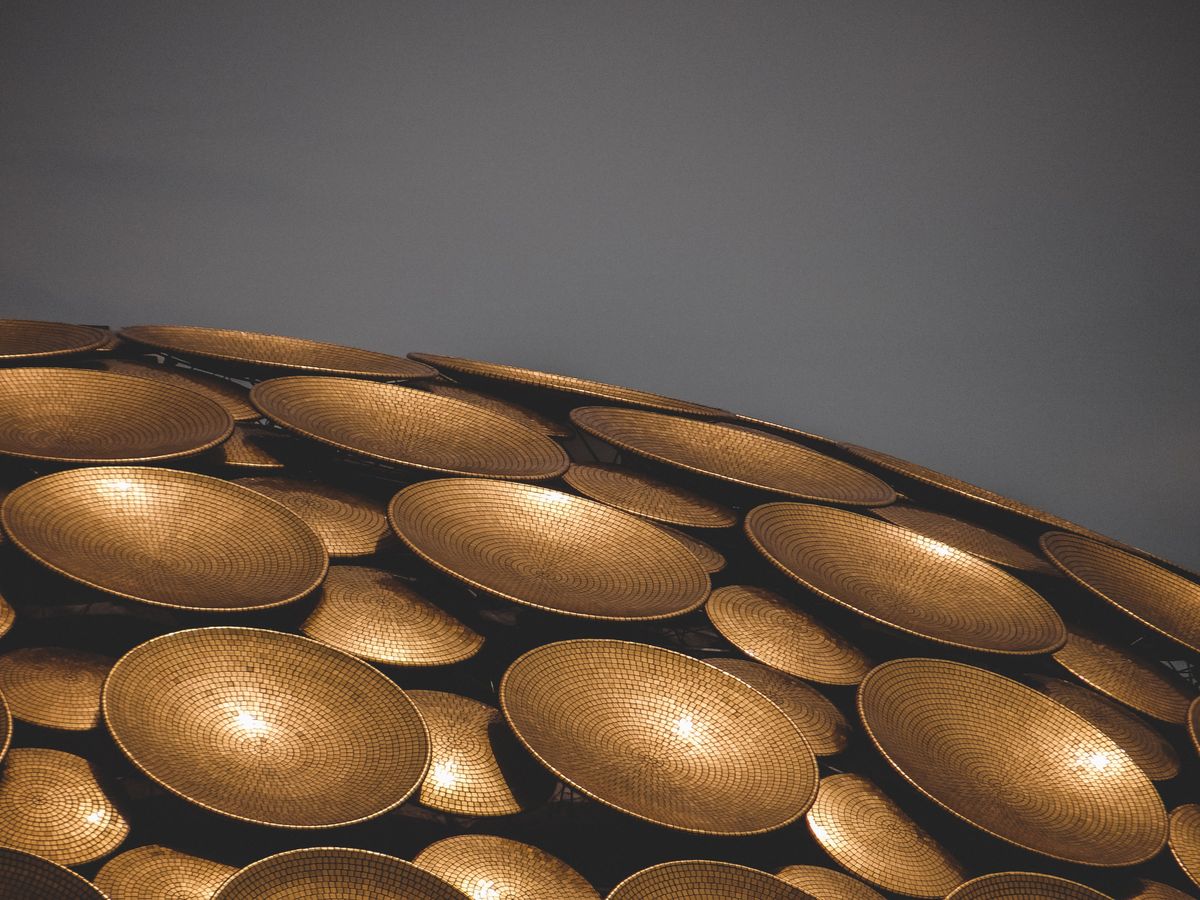
Auroville, twelve kilometres away, represents the most serious attempt in the twentieth century to build a creative community without the usual institutional structures — the spirit that animates the fellowship model directly.
The Bay of Bengal, at the edge of the city, gives the place a quality of openness and awe that no inland city can provide. Standing at the shore, with the horizon in front of you, things scale correctly. That matters for creative work.

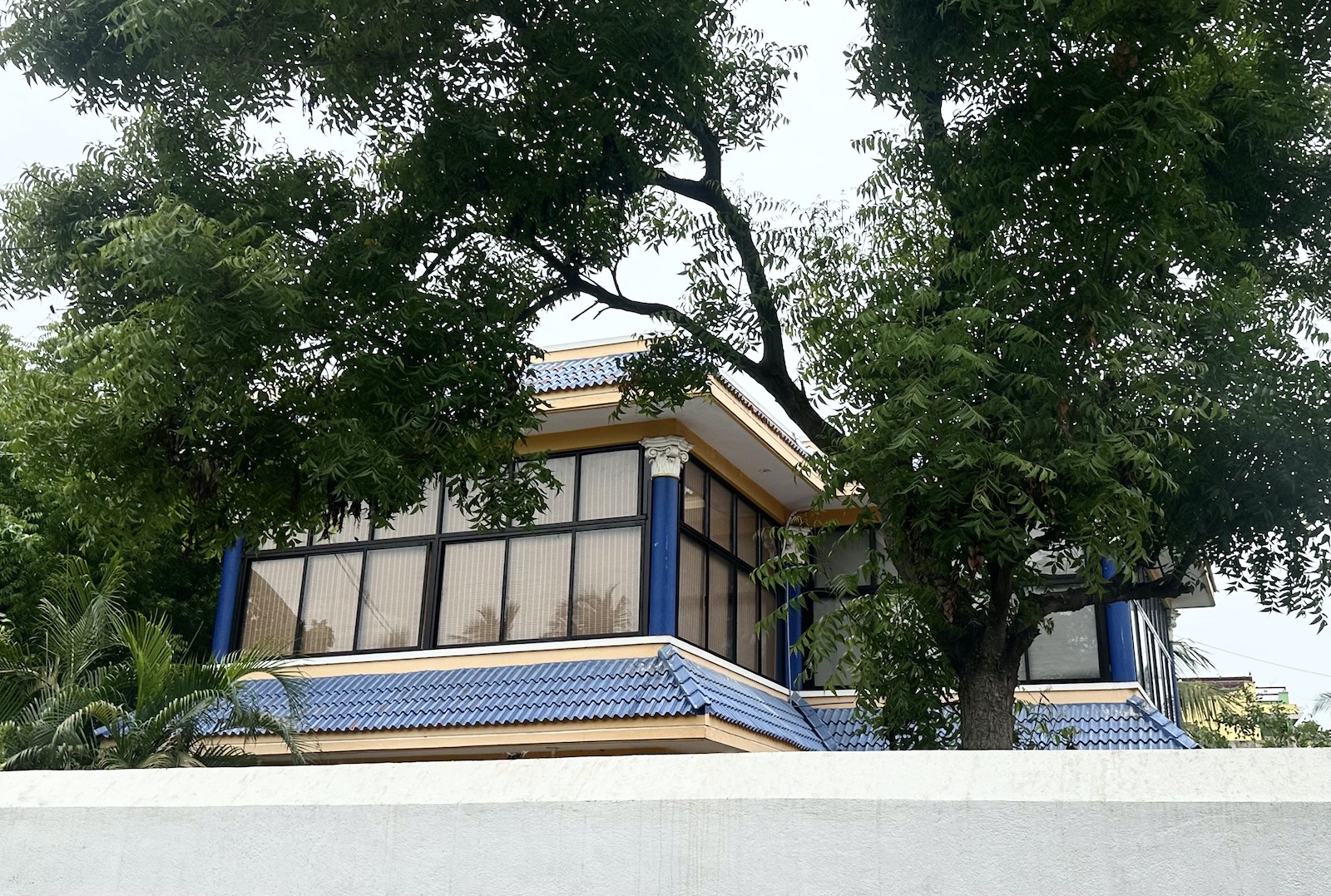
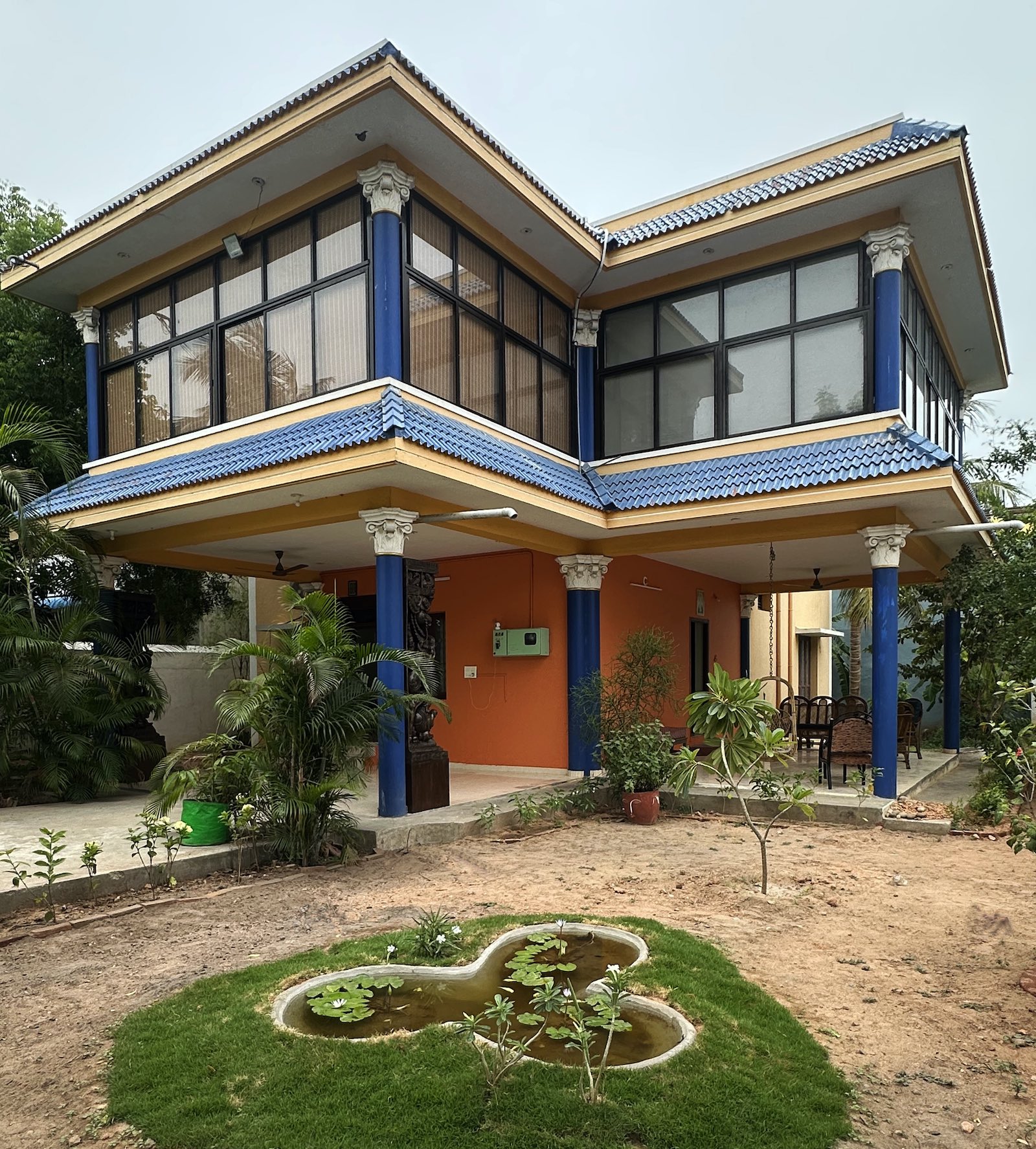
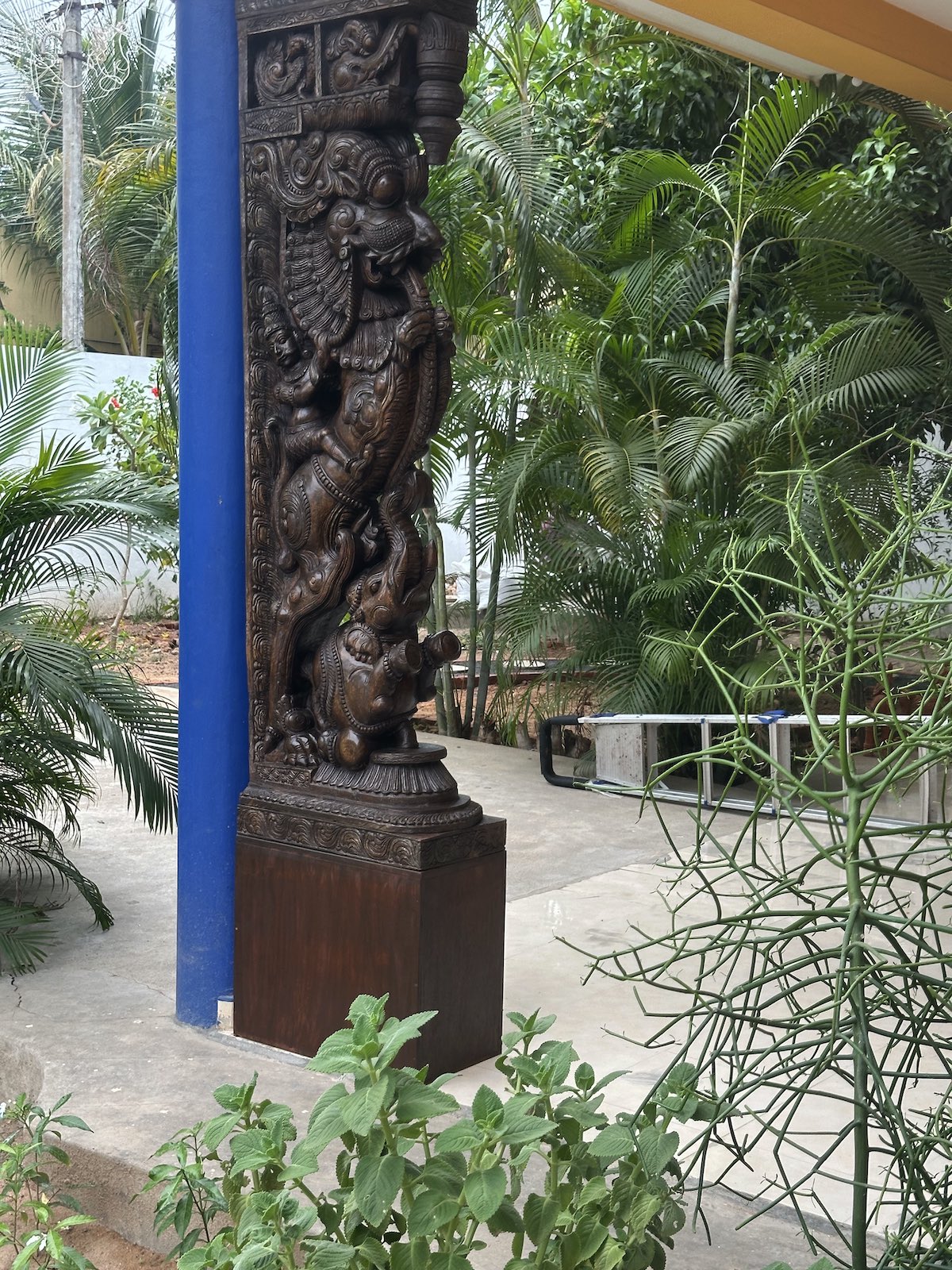
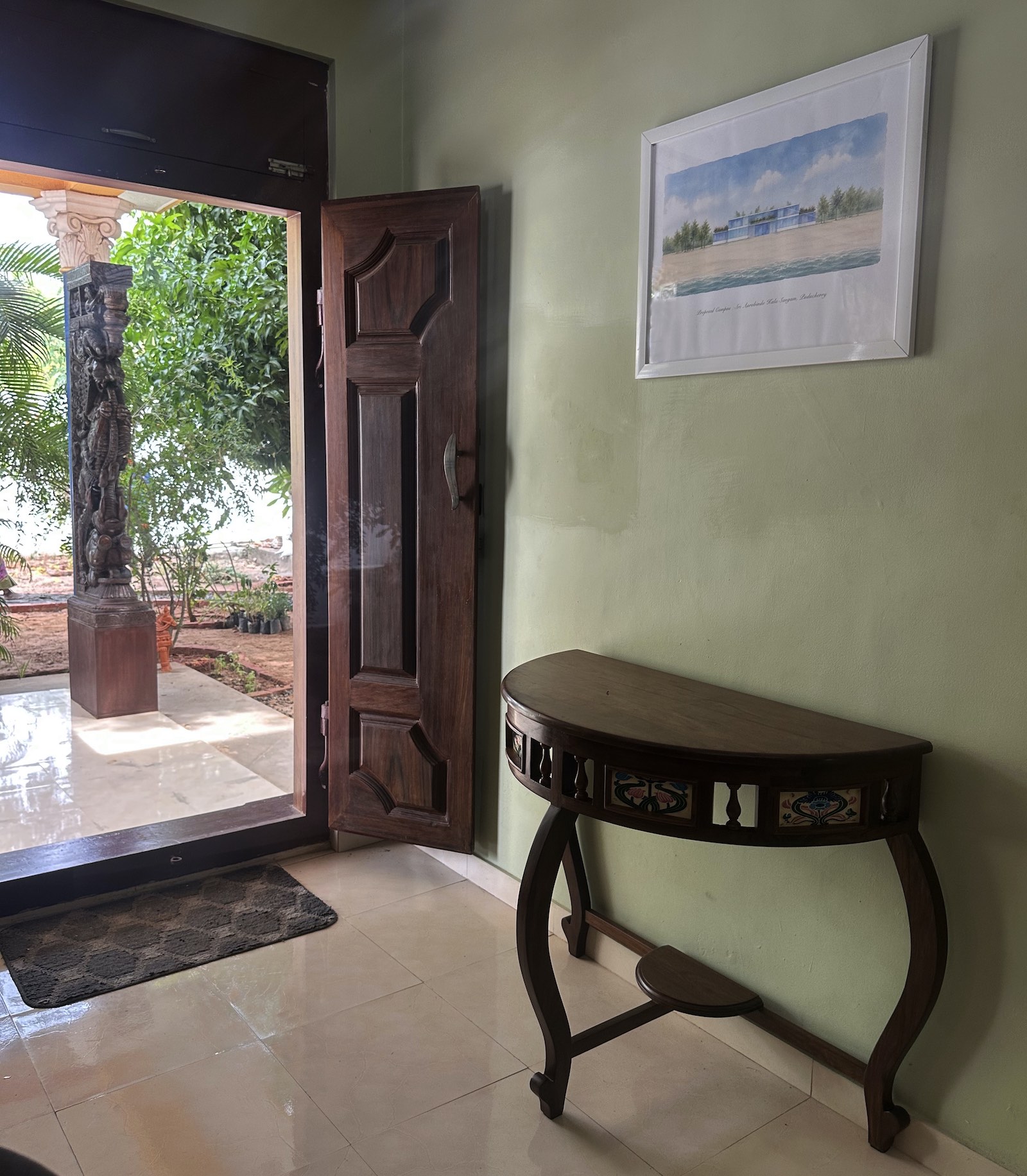
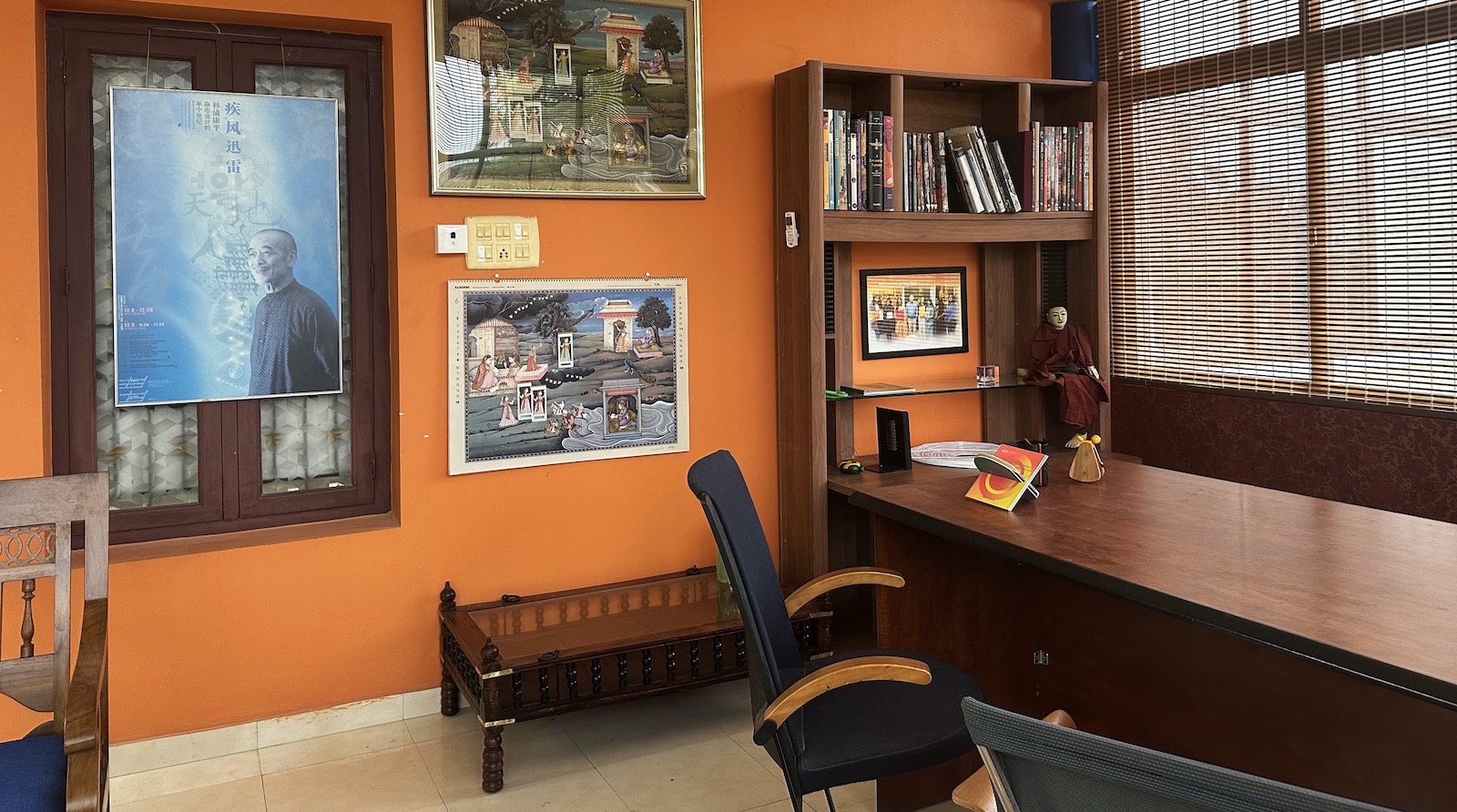
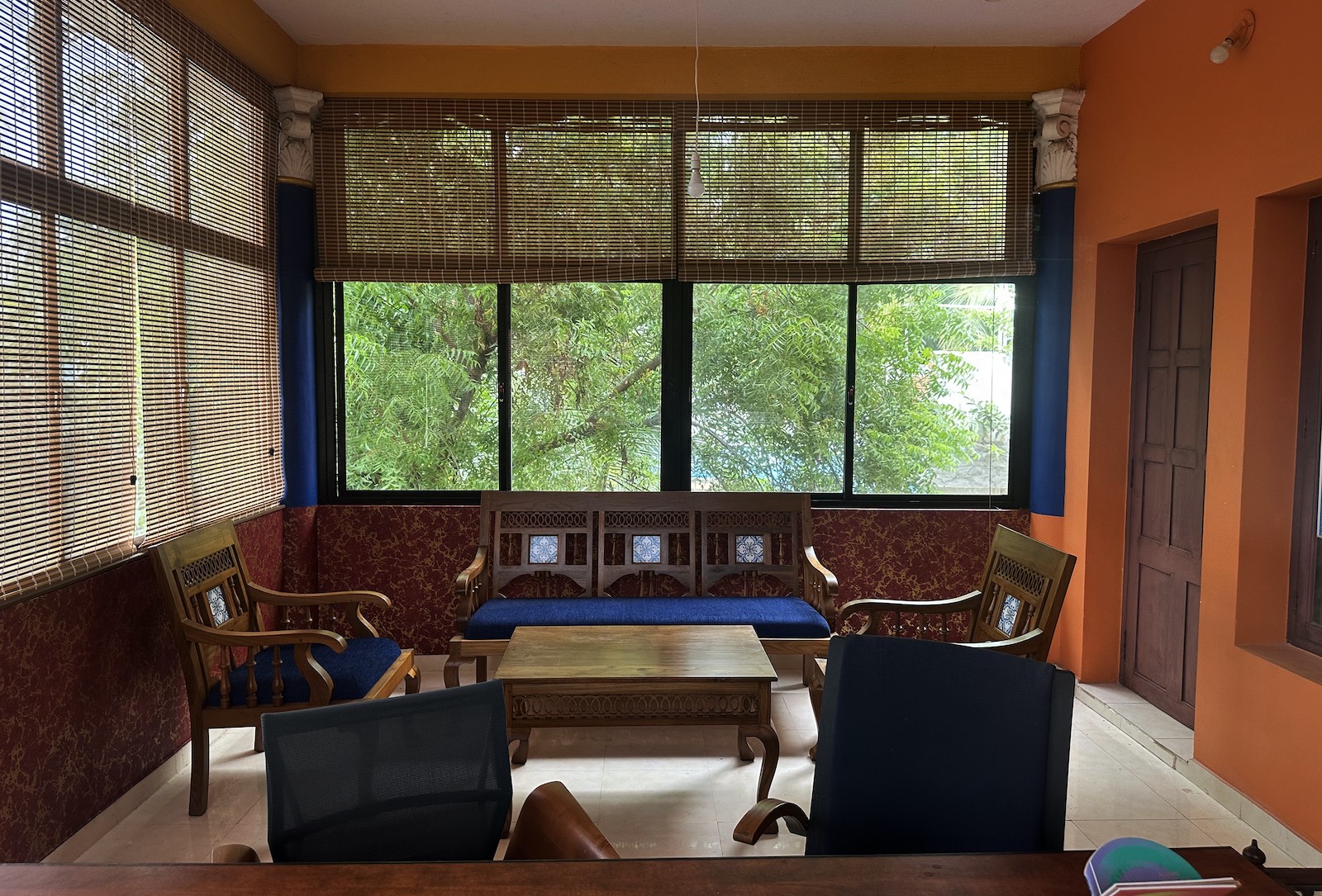
SAKS is housed in Villa Appavou —in Manaveli, Ariankuppam, Puducherry. The gallery, the studio, the library, and the teaching spaces all are housed in this building. Unlike formal Institutions, that create separate structures for different functions, in Villa Appavou, all activities co-exist like in a close commune, and the resultant intermingling is encouraged; while still providing space for individual contemplation.